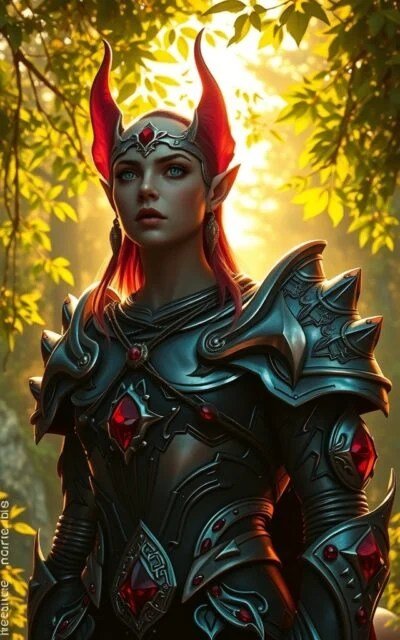
Stepping into the world of Azeroth as a Sin'dorei means embracing a legacy of magic, resilience, and regal pride. But what's in a name, especially when it carries the weight of a sun-kissed kingdom and a sundered heritage? Understanding Blood Elf Naming Conventions, Etymology & Phonetics isn't just about picking a cool-sounding handle; it's about connecting with a profound cultural identity shaped by ancient magic, heartbreaking loss, and an unyielding will to survive.
From the melodic lilt of Thalassian to the symbolic weight of each syllable, Blood Elf names are a masterclass in elegant storytelling. If you’ve ever wondered why Kael’thas sounds so different from Liadrin, or how “Sunstrider” came to be, you’re in the right place. We're about to peel back the layers of these sophisticated names, revealing the linguistic artistry and deep lore woven into every character.
At a Glance: Crafting Your Sin'dorei Identity
- Sin'dorei Roots: Blood Elves (Sin'dorei) adopted their name after the Scourge invasion of Quel'Thalas, honoring the fallen.
- Melodic & Elegant: Names are typically multisyllabic, flowing, and draw from ancient Thalassian.
- Two-Part Structure: Usually a given name and a family name, emphasizing noble lineage.
- Thematic Elements: Often reference light, sun, magic, royal heritage, or their homeland. Compound words are common (e.g., Sunsorrow).
- Phonetics Matter: Generally airy, avoiding hard consonants like G, L, N.
- Gendered Sounds: Male names often use strong, sharp consonants and suffixes like -ar, -ion, -ash. Female names are softer, more flowing, and may use apostrophes.
- Legacy in Surnames: Family names reflect ancestral connections, magical prowess, or key achievements.
- Tolkien's Echoes: Modern Elvish lore, including naming, carries the classical, inflected feel inspired by Tolkien's linguistic work.
The Weight of a Name: Blood Elf Identity Forged in Fire
To truly appreciate Blood Elf naming conventions, we first need to understand the people behind the names. The Blood Elves, or Sin'dorei ("Children of the Blood" in their native tongue, Thalassian), aren't just high elves with a new coat of paint. They are survivors, forged in the crucible of the Scourge invasion that devastated their homeland, Quel'Thalas, and nearly wiped out their people. Their very name, Sin'dorei, is a solemn vow, a constant reminder of the blood spilled and the sacrifices made to honor their fallen.
This pivotal event redefined their culture, pushing them towards a pragmatic, sometimes ruthless, pursuit of power and magical sustenance. Yet, beneath that hardened exterior lies an enduring pride in their ancient lineage, their magical heritage, and the glorious kingdom they are striving to rebuild. Their names reflect this intricate blend: elegance tempered by resilience, ancient magic, and a deep, sometimes sorrowful, connection to the Sunwell.
The Thalassian Tongue: A Foundation of Grace and Power
At the heart of Blood Elf naming lies Thalassian, their native language. Rooted in the ancient Highborne tongue, Thalassian is characterized by its melodic quality, elegant flow, and inherent magical cadence. It’s a language designed for spellcasting, for poetic pronouncements, and for names that resonate with power and grace.
When you look at a Blood Elf name, you're hearing echoes of this linguistic heritage. They aren't clunky or harsh; they possess a certain lightness, an almost airy quality that speaks to their long-lived, magic-infused existence. This isn't accidental; it’s a deliberate cultural choice, a reflection of their aesthetic and magical sensibilities. Understanding these roots helps us appreciate why certain sounds and structures feel "right" for a Blood Elf.
Anatomy of a Blood Elf Name: More Than Just Sounds
Blood Elf names are rarely simplistic. They typically consist of two distinct parts: a given name and a family name. This two-part structure isn't just a social convention; it's a statement of identity, linking the individual to their noble lineage and ancestral history.
Most Blood Elf names are multisyllabic, contributing to their flowing, elegant sound. Think about names like "Lor'themar" or "Sylvanas Windrunner"—they roll off the tongue, each syllable adding to the overall melody. This complexity allows for a richness of meaning and a sophisticated feel, distinguishing them from shorter, more abrupt names found in other cultures. It's a hallmark of a people who value heritage and articulation.
Thematic Echoes: Weaving Lore into Every Syllable
What do Blood Elf names mean? Beyond just sounding pretty, they are imbued with powerful themes that reflect their culture, history, and aspirations. You'll often find references to:
- Light and Sun: The Sunwell, their source of magic and life, is central to their identity. Names might incorporate elements related to sunlight, dawn, or radiance (e.g., "Brightsun," "Sunstrider").
- Magic and Arcana: As an inherently magical race, words hinting at spellcraft, arcane power, or mystical knowledge are common.
- Nobility and Royalty: Their history as Highborne and their long-standing monarchy mean that names often suggest regal pride, leadership, or aristocratic bearing.
- Quel'Thalas and Heritage: A deep connection to their sundered homeland is paramount. Names can evoke the beauty of their ancient forests, the resilience of their people, or the memory of their fallen.
A key element in this thematic tapestry is the frequent use of compound words, especially in surnames. These aren't just two words slapped together; they create a poetic quality, telling a mini-story within the name itself. "Sunstrider" speaks of a lineage that walks with the sun, while "Sunsorrow" tragically encapsulates the pain of the Sunwell's destruction. This linguistic device allows for profound symbolism and emotional depth. If you're looking for inspiration for your own character, you might Generate Blood Elf Names that perfectly capture these powerful themes.
The Soundscapes of Sin'dorei: Phonetics and Flow
The phonetics of Blood Elf names are crucial to their distinctive feel. Generally, their names are flowing and airy, designed to sound graceful rather than guttural or harsh. This preference often translates into an avoidance of certain hard consonants that might break the melodic rhythm.
For instance, you'll rarely find Blood Elf names heavily reliant on hard G sounds (like 'Gorok'), prominent L sounds that can feel heavy (like 'Lothar' in humans, though 'L' exists in their language it's used more lightly), or harsh N sounds at the start of many names. Instead, softer consonants, vowels, and diphthongs are favored, creating a more ethereal and refined sound.
The Distinct Rhythms of Gender
While many general rules apply, there's a subtle yet noticeable divergence in naming conventions between male and female Blood Elves, adding another layer to their linguistic identity:
- Male Names: Tend to feature stronger, sharper consonants that convey a sense of gravitas or determination, without losing the overall elegance. Think of the crispness in names like "Kael'thas" or "Anasterian." They often conclude with distinctive suffixes such as "-ar," "-ion," or "-ash."
- Examples: Kael'thas, Lor'themar, Dath'remar, Rommath, Liandrin (different from female Liadrin), Theron.
- Notice the hard 'th' sound, the 'r' and 'm' in Lor'themar, giving a sense of strength. The suffixes "-ar" and "-ion" especially lend an ancient, noble feel.
- Female Names: Are typically more flowing and softer in their sound. They often use a greater proportion of vowels and lighter consonants, contributing to their melodic quality. A common feature you'll observe in female Blood Elf names is the incorporation of apostrophes. These aren't just decorative; they often indicate a slight pause or a subtle shift in pronunciation, enhancing the name's lyrical flow.
- Examples: Liadrin, Sylvanas, Vereesa, Alleria, Valeera, Aelthaliss.
- Liadrin's "ia" and "rin" are soft. Sylvanas has a gentle 'syll' and 'vas' sound. The apostrophe in names like "Anaria's" (though not a primary character name, it illustrates the point) or "Veressa's" (again, not strictly a primary example but shows the usage) introduces a delicate break. While Sylvanas doesn't have an apostrophe in her given name, it's common in family names or less prominent female names, or even in longer, more complex names.
This subtle phonetic gendering isn't about rigid rules but about a cultural aesthetic that assigns certain sound qualities to masculine and feminine ideals within their society.
Surnames: A Legacy Etched in Lore
Blood Elf surnames are far more than just identifiers; they are historical records, condensed narratives of a family's past, achievements, and enduring connections to Quel'Thalas. These names frequently reference:
- Family Legacy: Direct ties to ancient Highborne houses, famous ancestors, or enduring noble lines. "Sunstrider" (Kael'thas's family) is perhaps the most iconic, denoting a lineage directly descended from Dath'Remar Sunstrider, who led the high elves from Kalimdor.
- Magical Achievements: Significant magical feats, unique arcane talents, or a family's mastery over a particular school of magic. A surname like "Arcanemaw" or "Lightweaver" would immediately signal such a heritage.
- Ancestral Connections to Quel’Thalas: A deep link to specific locations within their kingdom, its natural elements, or its foundational myths. "Brightsun," "Moonbrook," or "Whisperwind" are good examples of surnames that ground a family in the landscape and history of their homeland.
The combination of a melodic given name and a historically rich surname creates a full identity that speaks volumes about a Blood Elf character even before they utter a word. When developing your own character, giving careful thought to the surname can provide a deep well of backstory and personality. If you're struggling to invent something evocative, you can always use a Generate Blood Elf Names that incorporates these rich surname traditions.
Tolkien's Whispers: Influences on Elvish Lore
It's impossible to discuss Elvish naming conventions, particularly within a fantasy setting like World of Warcraft, without acknowledging the colossal shadow cast by J.R.R. Tolkien. The legendary author, a philologist by trade, painstakingly crafted entire languages for his elves (Sindarin and Quenya) with a classical, inflected feel. His aim was to create languages that felt ancient, noble, and beautiful, often drawing inspiration from real-world linguistic sources, including the melodic qualities of Finnish and the rich mythology of Scandinavian cultures.
Blizzard's designers and loremakers have clearly absorbed these influences. Modern Elvish lore in WoW, including Blood Elf naming conventions, bears hallmarks of Tolkien's approach: the emphasis on melodic sounds, the prevalence of multisyllabic names, the symbolic weight of prefixes and suffixes, and the overall sense of ancient nobility. While Thalassian has its own unique flair, the underlying philosophy of constructing an Elvish name that sounds inherently "elvish" owes a significant debt to Middle-earth. This legacy ensures that Blood Elf names, even when new, feel familiar and resonant within the broader fantasy genre.
Crafting Your Own Sin'dorei Identity: A Practical Guide
Now that we've delved into the deep lore and linguistic nuances, how do you go about creating a Blood Elf name that feels authentic and compelling for your character? It's more than just picking a pretty word; it's about crafting a narrative.
Step 1: Start with a Theme or Core Trait
What defines your character? Are they a fierce protector, a cunning sorcerer, a serene healer, or a melancholic survivor?
- Keywords: Think "sun," "star," "moon," "light," "arcane," "whisper," "shade," "dawn," "blood," "vengeance," "glory," "sorrow."
Step 2: Choose a Gender-Appropriate Given Name
Remember the phonetic differences.
- Male: Look for stronger consonants (R, Th, M, L subtly used), multisyllabic names, and suffixes like -ar, -ion, -ash.
- Examples: Tharion, Aerion, Mal'thas, Kaelan.
- Female: Aim for softer sounds, more vowels, flowing syllables, and consider a subtle apostrophe for flair (though not always necessary in the given name).
- Examples: Elyndra, Valeriel, Lyra'ana, Silvanis.
Step 3: Weave in a Meaningful Surname (or Create a Compound)
This is where your character's heritage or a significant personal story can shine.
- Legacy: Does their family have a reputation? Were they known for magic, warfare, or wisdom?
- Example: Brightwing (for a healer), Shadowsong (for a ranger), Arcanus (for a mage).
- Compound Words: Combine two evocative words that tell a mini-story.
- Examples: Dawnwhisper, Sunshard, Gloomstrider, Bloodmantle, Starsong. These often give a poetic, ancient feel.
- Reflect Ancestry/Location: Connect them to Quel'Thalas.
- Example: Eversong (if from the forest), Silverwind (if associated with Silvermoon).
Pitfalls to Avoid: Keeping it Authentic
- Too Short/Simple: A single-syllable name like "Rex" or "Grog" just won't fit a Blood Elf. Aim for at least two syllables in the given name, and ideally a surname.
- Harsh Consonants: Avoid names that are heavy on hard G, K, or overly strong D sounds unless intentionally subverting the convention. The flow is key.
- Modern/Human Sounds: Names like "Steve" or "Brenda" are obviously out. Stick to the ethereal, ancient quality.
- Overly Aggressive/Demonic: While some Blood Elves have dabbled with darker powers, their core naming convention is still one of elegance. Names that sound too overtly demonic (e.g., "Felbane") might fit a specific lore background but often stand out from the traditional aesthetic.
- Copying Exactly: While inspiration from canonical names is good, avoid directly lifting names like "Kael'thas" or "Sylvanas." They are unique individuals. Use their structure as a guide.
By following these steps, you can create a Blood Elf name that not only sounds right but also carries the rich thematic and phonetic weight of their culture. If you need a jumpstart, or just want to explore possibilities, remember you can always Generate Blood Elf Names to find a perfect fit.
Common Misconceptions & FAQs About Blood Elf Names
Even with a strong grasp of the conventions, certain questions and misunderstandings pop up. Let's clear the air:
Are all Blood Elf names long and complex?
While most are multisyllabic, "complex" can be subjective. They are certainly not simplistic. Their elegance comes from flow and phonetic construction rather than sheer length. A name like "Liadrin" is shorter than "Lor'themar" but still feels distinctively Blood Elf.
Do Blood Elves ever use single names?
It's rare for a prominent Blood Elf to use only a single name, especially in formal contexts. The given name and surname convention is deeply ingrained in their culture, symbolizing lineage and status. While a nickname might exist, a full identity requires both parts.
Can Blood Elf names have apostrophes anywhere?
Apostrophes are often used to denote a subtle glottal stop or a slight break in pronunciation, contributing to the melodic quality. While common in female names (e.g., Lyra'ana), they can appear in male names or surnames too, often separating two vowel sounds or indicating an ancient linguistic shift (e.g., Kael'thas). They aren't random punctuation; they serve a phonetic or etymological purpose.
Are there any "bad" Blood Elf names?
"Bad" is subjective, but names that clash with the established phonetic and thematic conventions will feel out of place. Names that are too short, too harsh, too modern, or that don't evoke the sense of elegance, magic, or heritage will likely feel inauthentic.
Do Blood Elves ever change their names?
While the race changed its name to Sin'dorei, individual Blood Elves typically maintain their given and family names. However, a significant life event (like becoming a Death Knight or taking on a new role) might inspire an epithet or a title, or in rare cases, a name change to reflect a new identity, especially if severing ties with their past. Sylvanas's transition to Banshee Queen is an example of an identity shift, though she retains her original given name.
Is it okay to just pick a nice-sounding Elvish name from another fantasy setting?
While many Elvish names across fantasy share a similar aesthetic (thanks to Tolkien's influence), each setting often has unique linguistic quirks. A name that sounds perfect for a Silvan Elf in Middle-earth might not quite fit a Sin'dorei. It's best to draw inspiration, but then filter it through the specific phonetic and thematic rules of Blood Elves.
Expanding Your Repertoire: Where to Find More Inspiration
If you’re still brainstorming, or simply curious about the breadth of Blood Elf naming, countless resources exist. Beyond the examples we’ve discussed, a rich tapestry of names can be found within World of Warcraft lore itself – from quest givers to obscure NPCs, each name often tells a subtle story.
For aspiring roleplayers, writers, or gamers looking to create a unique Blood Elf character, curated collections of names can be invaluable. These lists often categorize names by gender, sound, or thematic elements, providing a launching pad for your own creativity. From these lists, you can Generate Blood Elf Names that are perfect for your next fantasy hero or villain, ensuring they embody the proud and magical spirit of the Sin'dorei.
Forge Your Legacy
Choosing a Blood Elf name is more than a trivial step in character creation; it's an act of weaving your character into the rich tapestry of Azeroth. It's about honoring the sacrifices of their ancestors, embracing their magical prowess, and carrying forward the legacy of Quel'Thalas. By understanding the phonetic nuances, the thematic undercurrents, and the cultural context behind each syllable, you’re not just naming a character – you're giving voice to a piece of their soul.
So, take your time, explore the sounds, reflect on the meanings, and craft a name that resonates with the elegance, resilience, and arcane power of the Sin'dorei. Your character's journey begins with their name, and it should be one worthy of a Blood Elf. When you’re ready to solidify your choice, or if you just want to explore the myriad possibilities, consider using a Generate Blood Elf Names to find the perfect fit. May your name echo through the ages, just like the heroes and villains of Quel'Thalas.